Oregon coast
steelhead
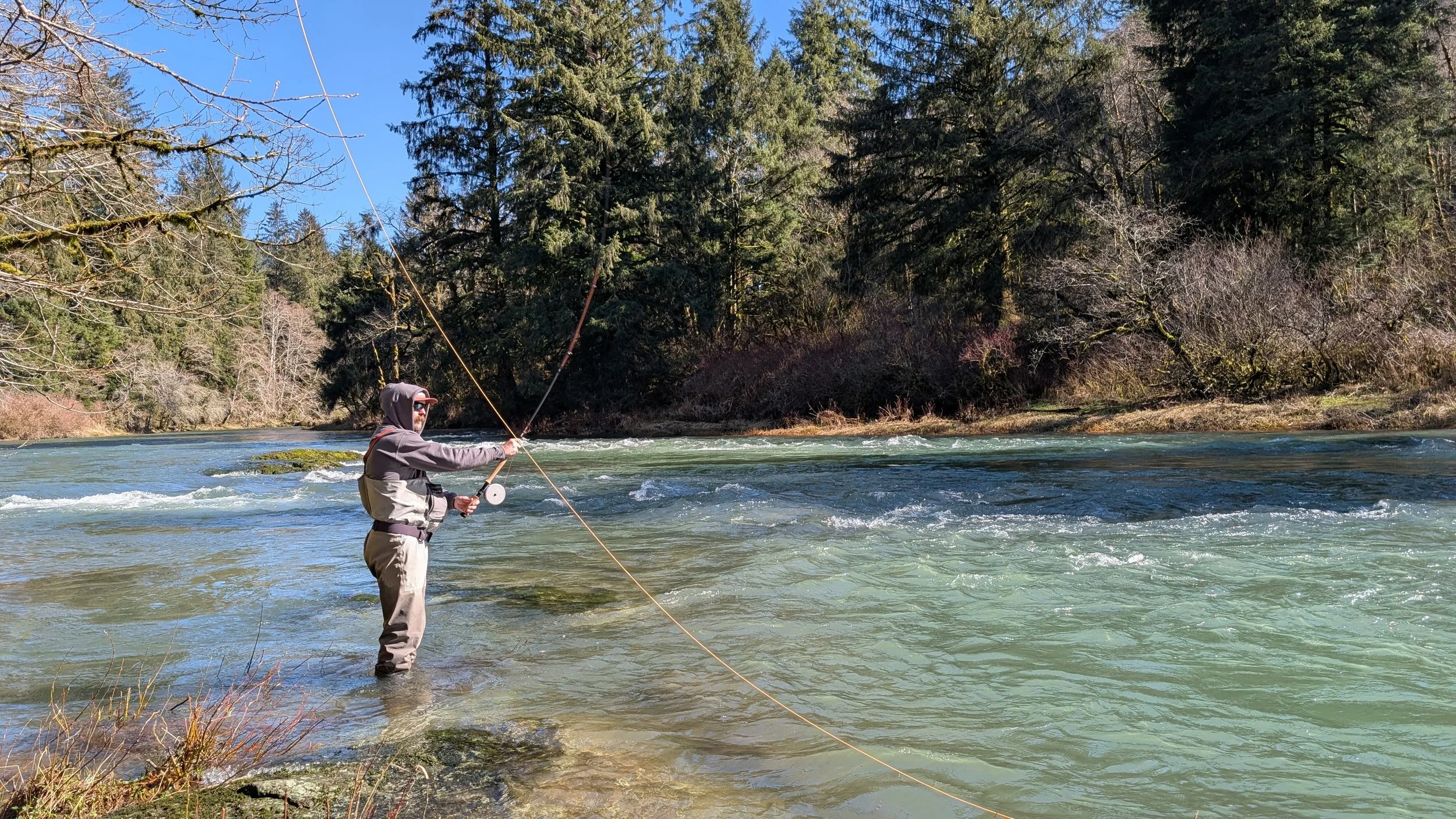
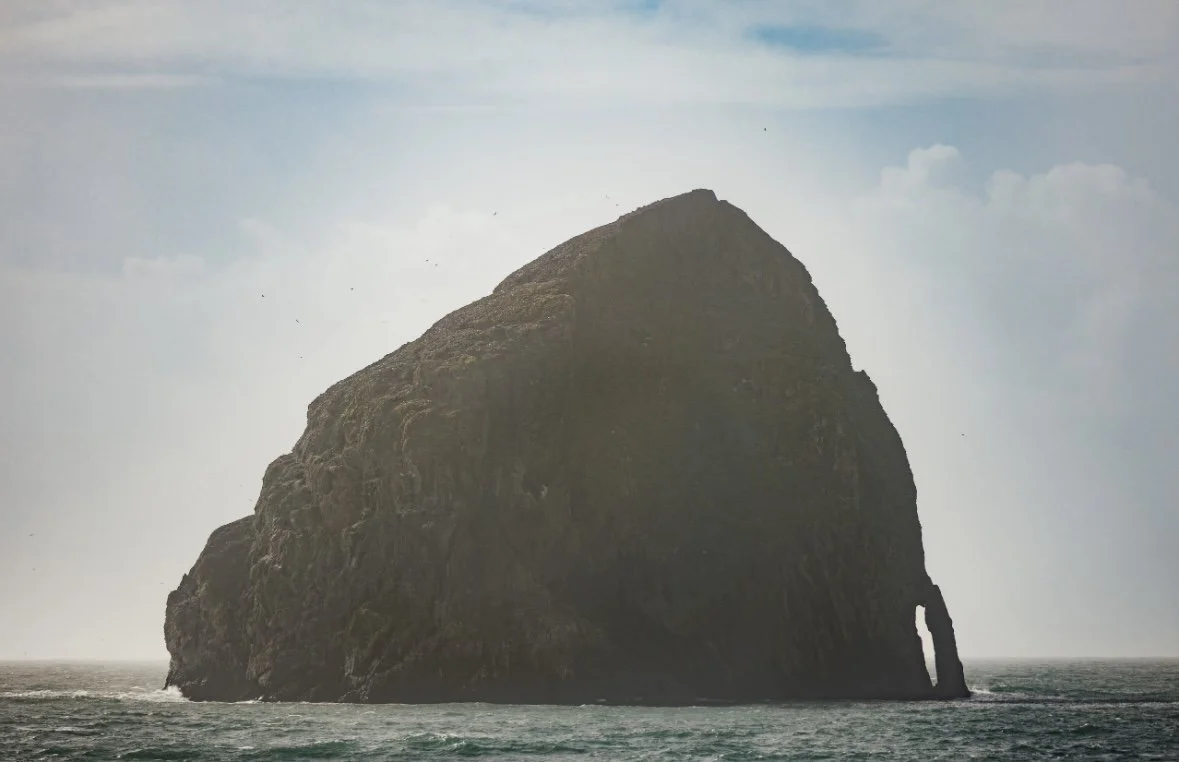
Earning the nickname thanks to the landmark 1967 Oregon Beach Bill. This legislation ensures unfettered public access to all 363 miles of the state’s coastline, reaching up to 16 vertical feet above the low-tide line.
The Public Trust Doctrine guarantees access to (and recreation on) tidal waterways, estuaries and their shores.
Water, and the land beneath the water, can’t be bought and traded, because they belong to everyone!
-
Steelhead
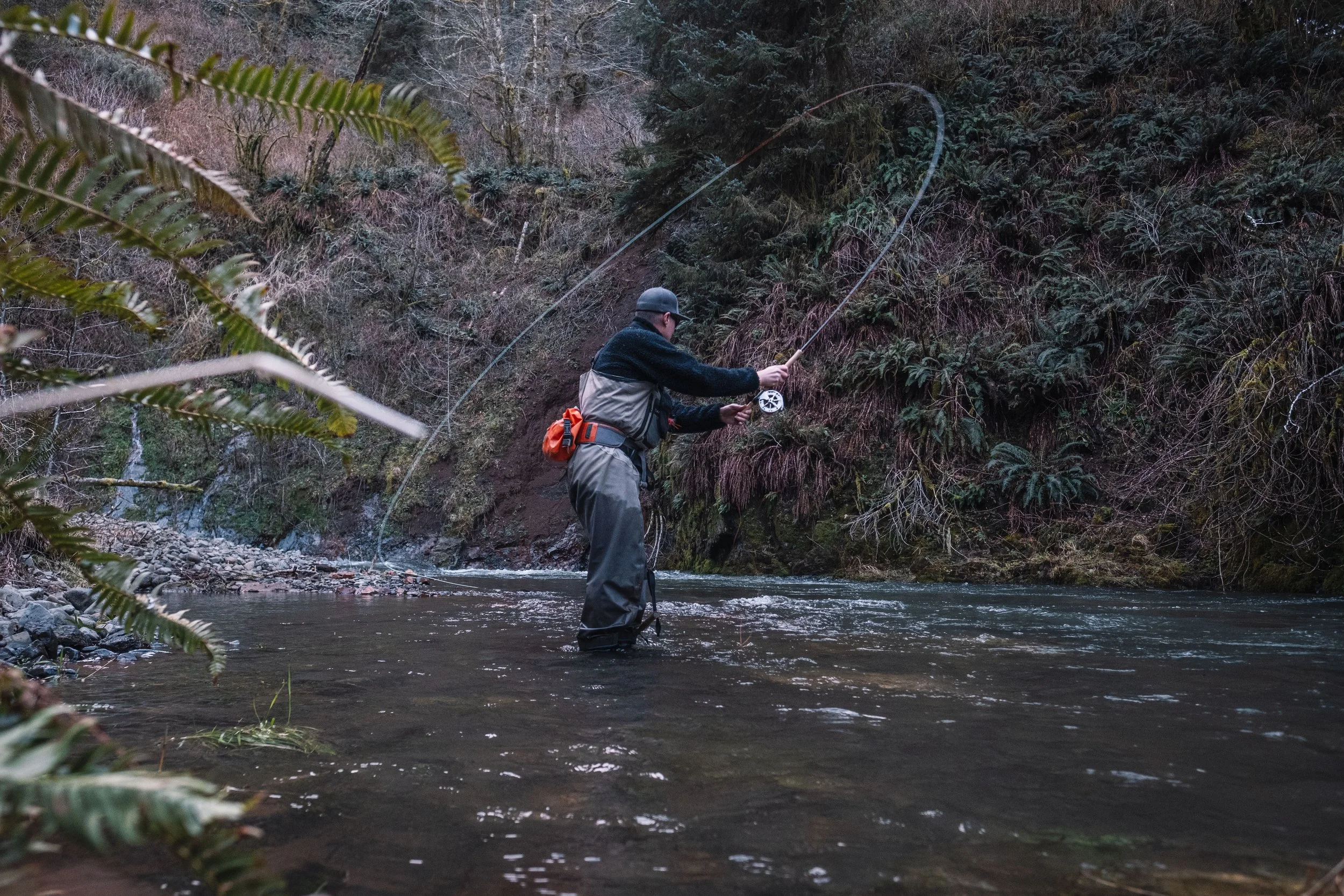
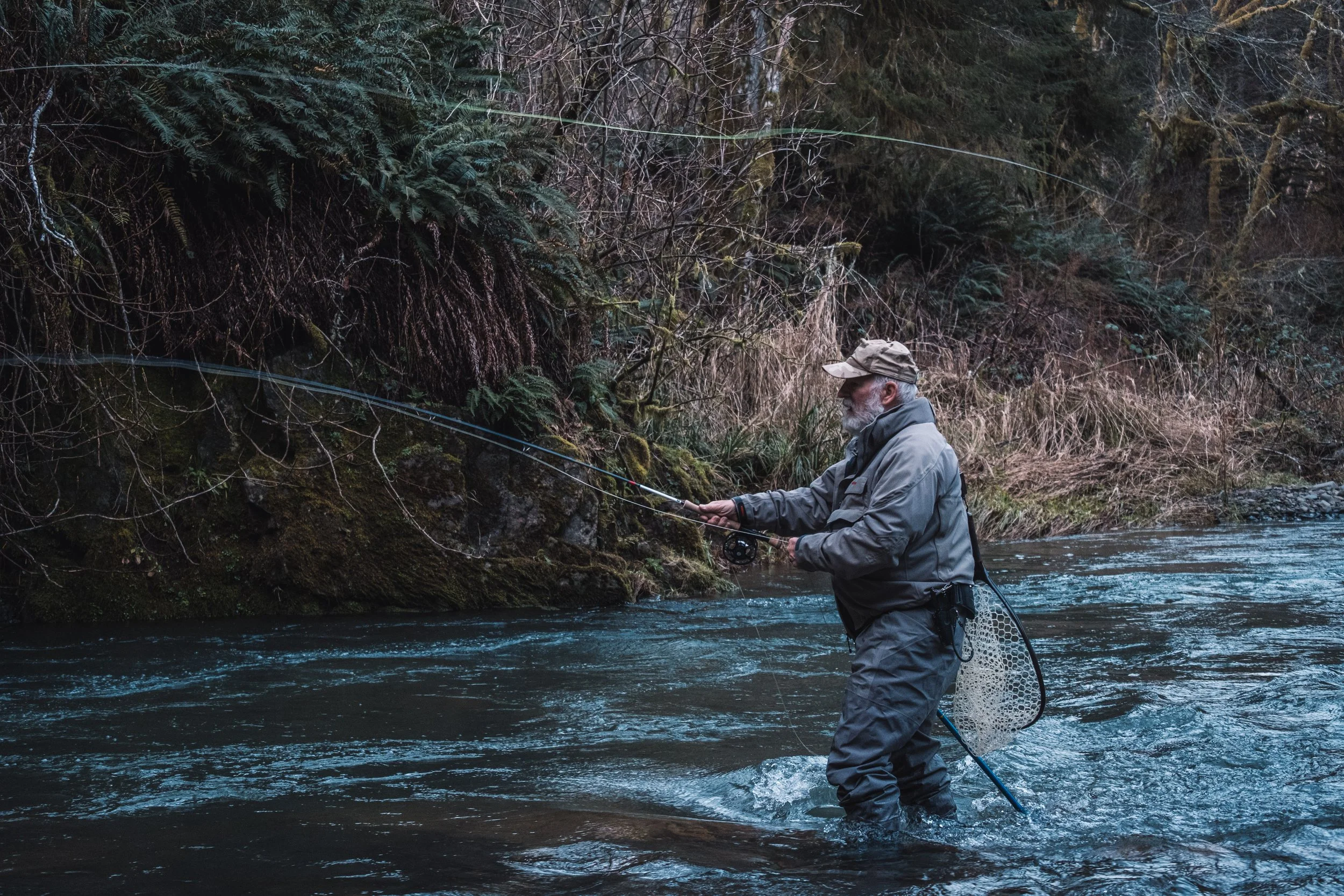
Steelheading is never easy. So why do it? This is the perfect example of risk-reward fishing.
Fish soft seams, inside bends, tailouts. Steelhead hole up in order to relax out of the current.
Imagine the strength required to spend your life fighting some of the most powerful river currents in the world.
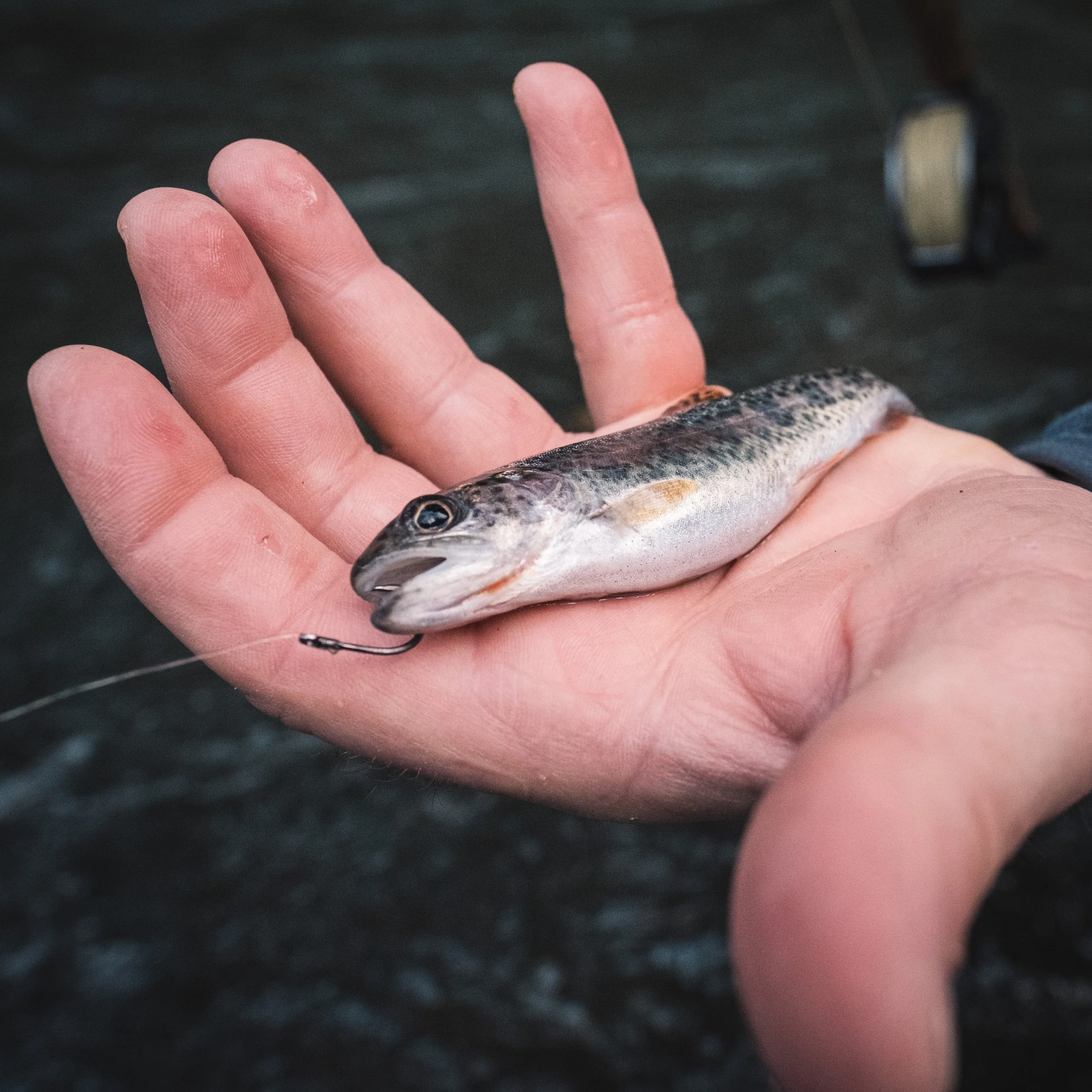
Unlike resident trout that stay in freshwater lakes and rivers, steelhead spend their adult lives IN THE OCEAN.
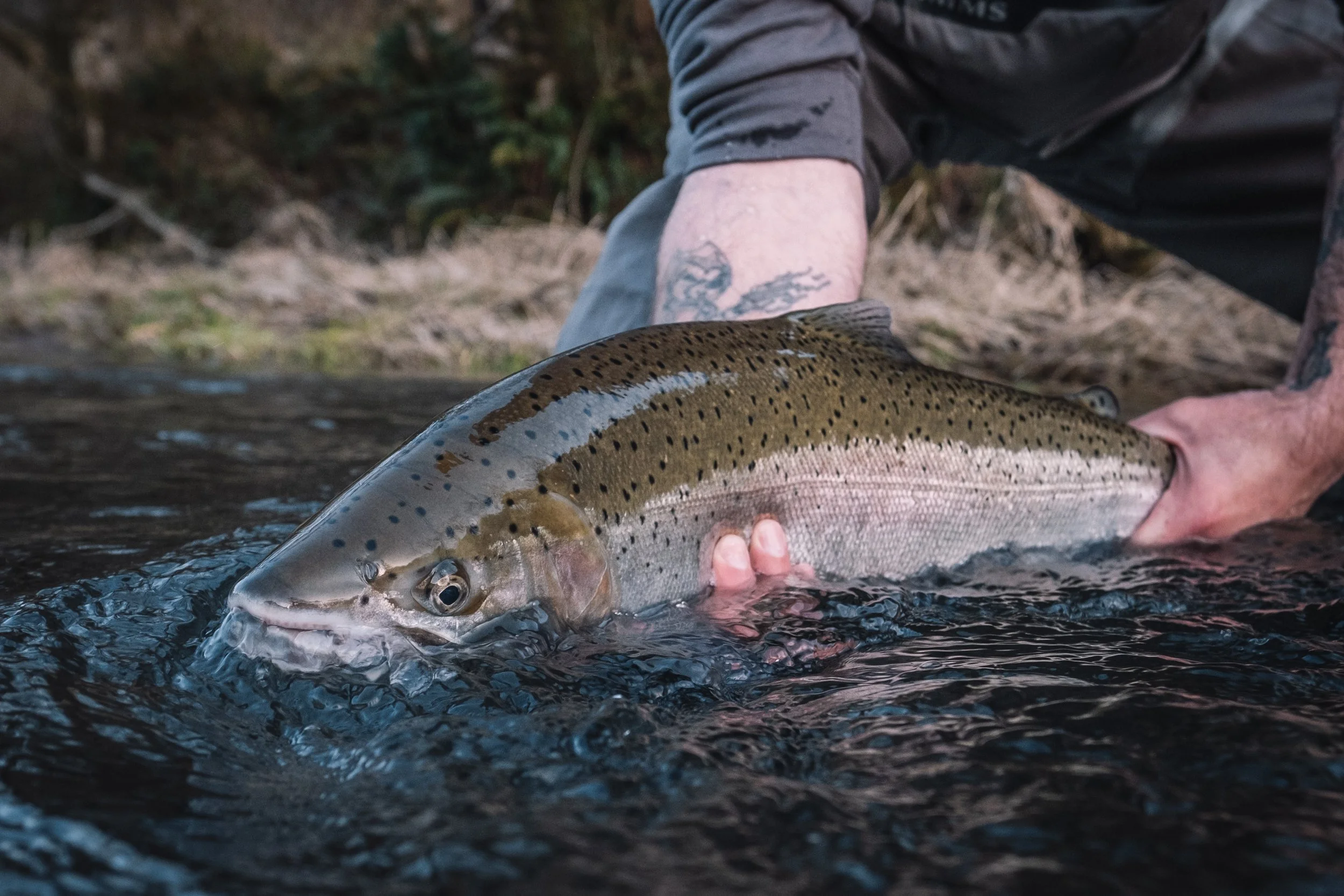
Their hydrodynamic body resembles a torpedo - blasting through the water on the end of your line! This “fusiform” shape allows them to hold in rapid currents without burning excessive energy (since they’re saving it for you).
This species genetics tell us they have evolved to SURVIVE. They push upstream through shallow rapids, up and OVER waterfalls and dams. Talk about endurance….
Steelhead DO NOT DIE after spawning like Pacific Salmon do. They can retain their fighting stamina after spawning, however they stop eating and draw from the energy stores they built up over years in the ocean.
For more info, check out our Oregon Coast brochure.
-
LATE FEBRUARY-EARLY MARCH
We run our annual Steelhead program right at the end of Winter, as the West Coast transitions into Spring.
This period affords anglers the best opportunity to get after the Winter run of true, ocean-grown migrating fish, while hopefully avoiding the wettest months.
The Pacific Northwest has a unique hybrid climate (or microclimates). The lush temperate rainforest along the coast bringing moisture year-round. Inland valleys experience seasons and the changes they bring.
While we do our best to avoid the heavy rains, this zone is WET. However, it depends where you are - as the western slopes of the Cascade Mountains average 200 inches (creating the lush forests), while the Eastern side can see as little as 8 inches annually.
Don’t forget about the snow! Snowfall on the coast is practically null, however, the Cascade and Olympic ranges bring in an average 400 inches of snow annually. Where does it all go when it melts? Into the rivers and streams of this coastal watershed.
Our goal with timing is to land on the Oregon Coast, chasing Steelhead, right in the sweet spot:
The heaviest Winter rains have passed
Spring will bring longer, warmer days, and begin to melt the accumulated snow
The flows have dropped
The water is GREEN.
Check out our BROCHURE more info on our Oregon Coast Winter Steelhead program.
-
DWINDLING NUMBERS
Many wild Steelhead populations face challenges, with the North West Coast experiencing historic declines in numbers. Oregon state has begun implementing multi-faceted efforts to protect this species.
Centuries of immense damage to the environment surrounding this fishery and the impacts of global temperature changes weigh heavy on this species. These rivers, streams, and creeks serve as thermal sanctuaries for these muscle machines.
NATURE WINS
Their unrelenting need to return to the same exact spot that they were hatched from their mother’s egg shows us just what a Steelhead is made of. Regular features in this region include witnessing these fish overcome, and overtake, literal physical barriers and boundaries to pull this off.
We’ve been fortunate so far that this species won’t let human interference stop them. Mainly due to a highly sophisticated biological mechanism called “olfactory imprinting”. The varied plants, soil, and minerals within and alongside a river or stream all contribute to the resulting chemical signature of the water.
As juvenile Steelhead (smolts) begin migrating to the ocean for the first time, a surge of hormones imprints these chemical scents into the Steelhead’s brain.
Steelhead use Earth’s geomagnetic field like their own GPS treasure map in order to make it back to the Oregon Coast and begin their migration to spawn. The second they reach the coastal waters of the Pacific Northwest, their sharp sense of smell leads them back to the exact spot they were at when they hatched. Insane!
SO WHAT CAN I DO?
Habitat restoration, protecting and cleaning our oceans are all ways that you can contribute to protecting and preserving this valuable resource. Come to the area and fish! Each of our program’s is uniquely structured so your money lands in the surrounding community.
For more info on Coastal Steelhead conservation efforts, check out these resources:
Click HERE to check out our web brochure for more on our Oregon Coast program.
For current availability, visit our TRIP CALENDAR.
Ready to book?
Have questions?