CENTRAL
ANDROS ISLAND
BAHAMAS
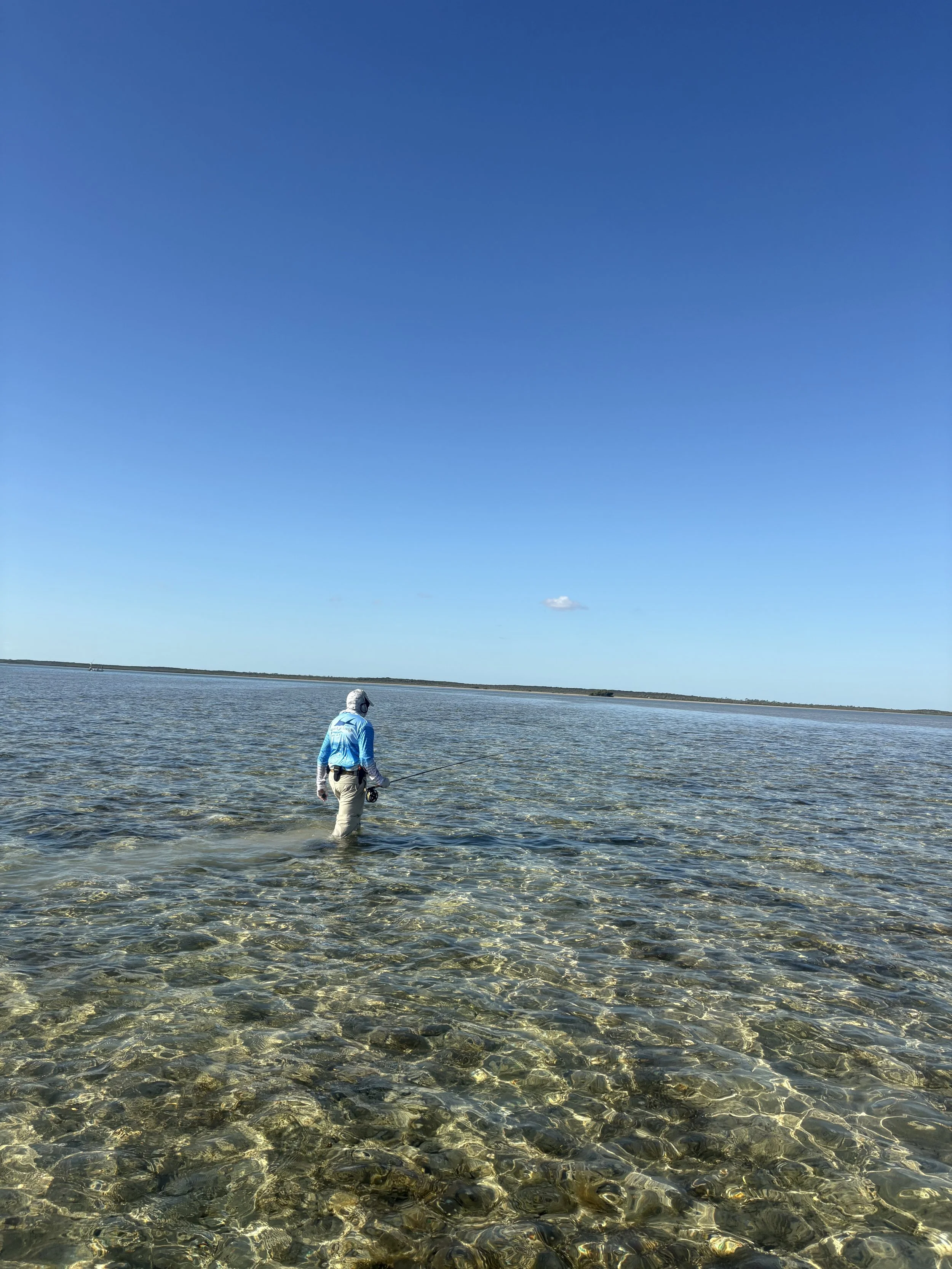
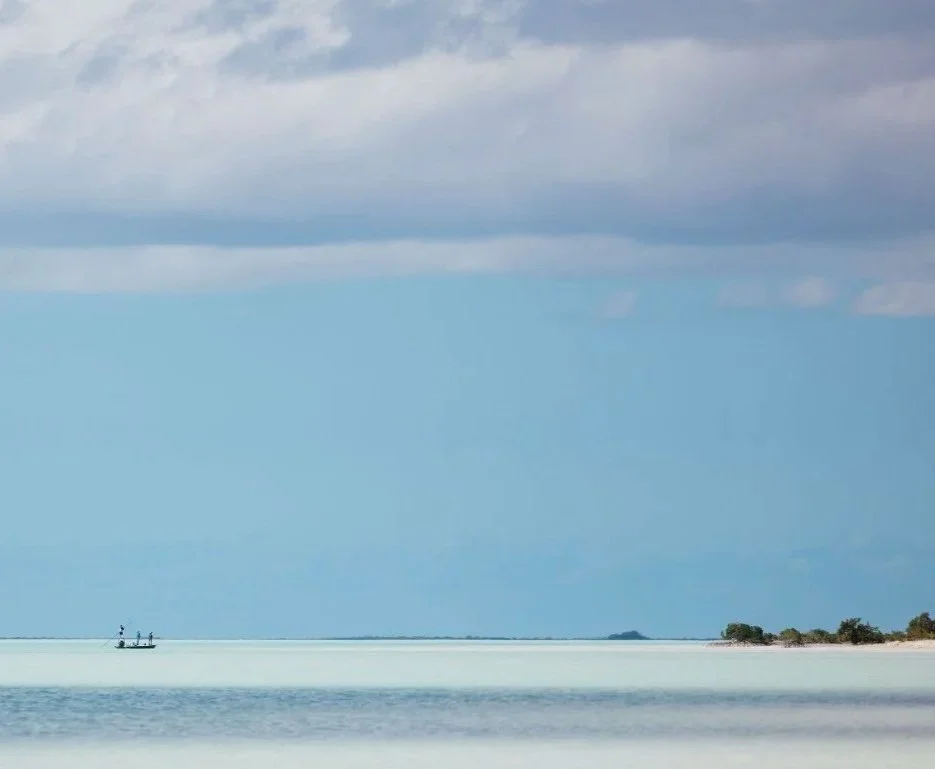
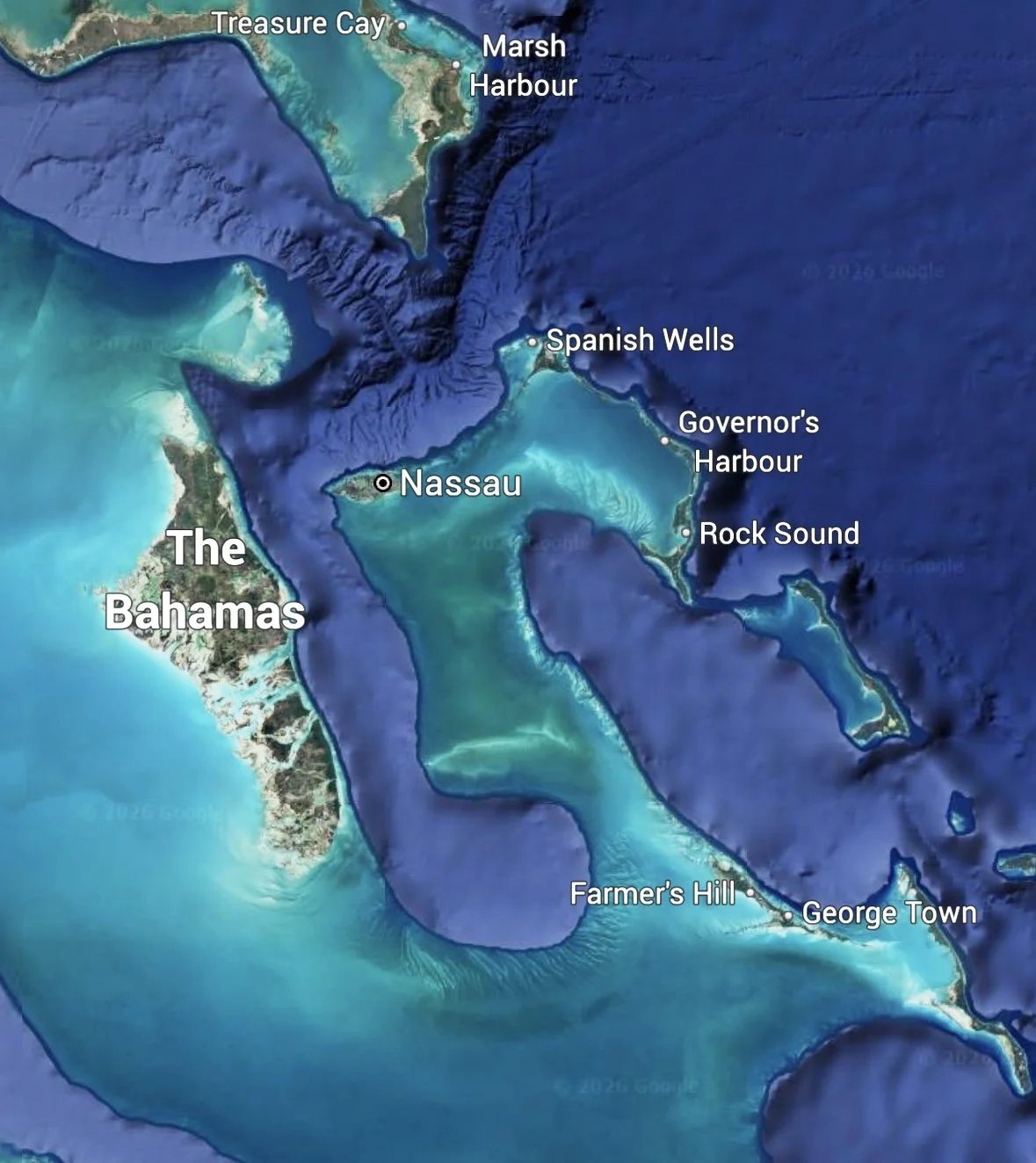
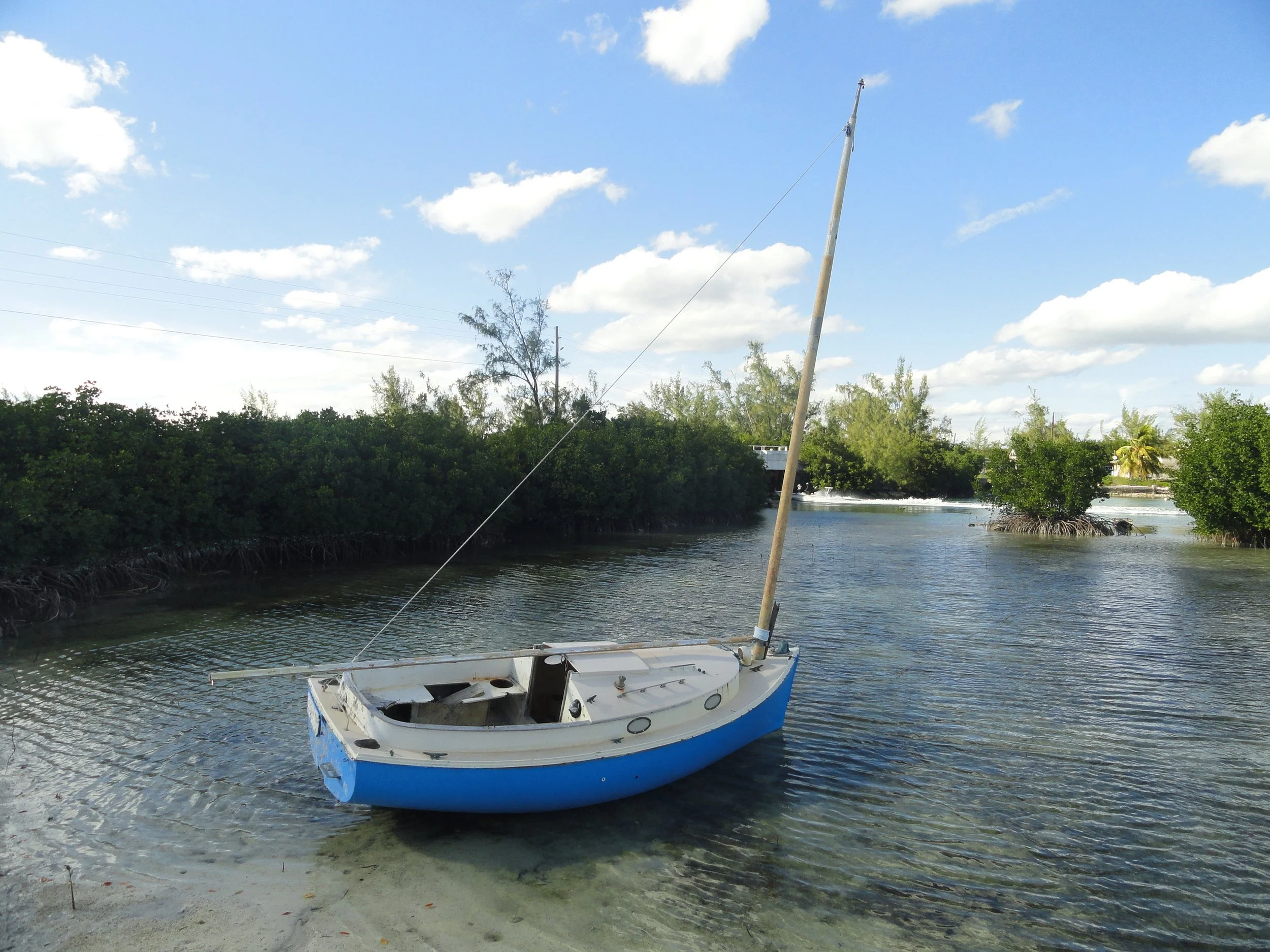
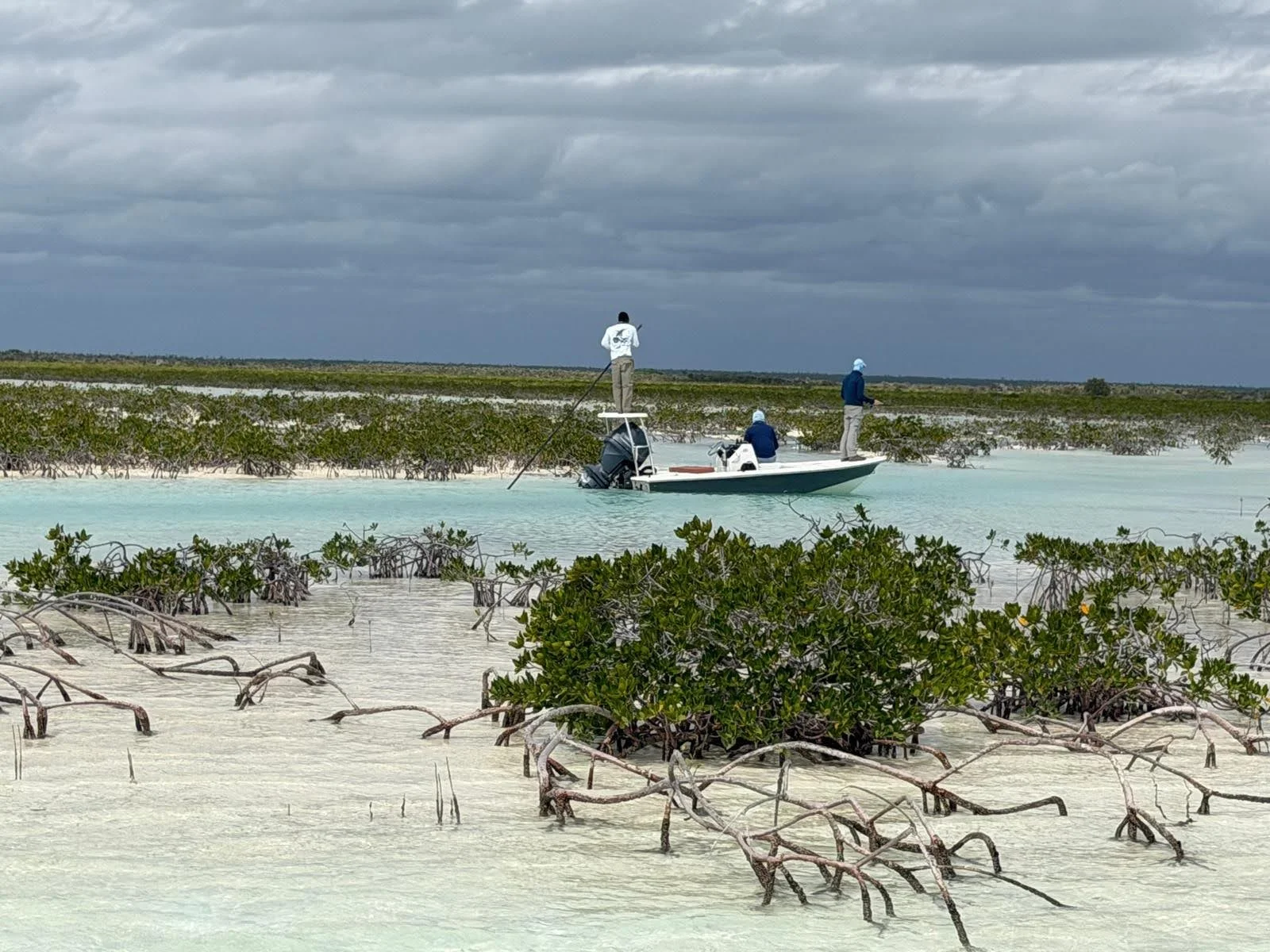
A massive archipelago made up of hundreds of tiny islets, cays (pronounced “keys”), vast networks of mangrove lined channels, sediment-formed sweeping sandbanks, and three main islands.
Though Andros is the Bahamian “island” with the greatest land mass, it’s also the least populated “island” in the chain formation that is referred to as “The Islands of the Bahamas”.
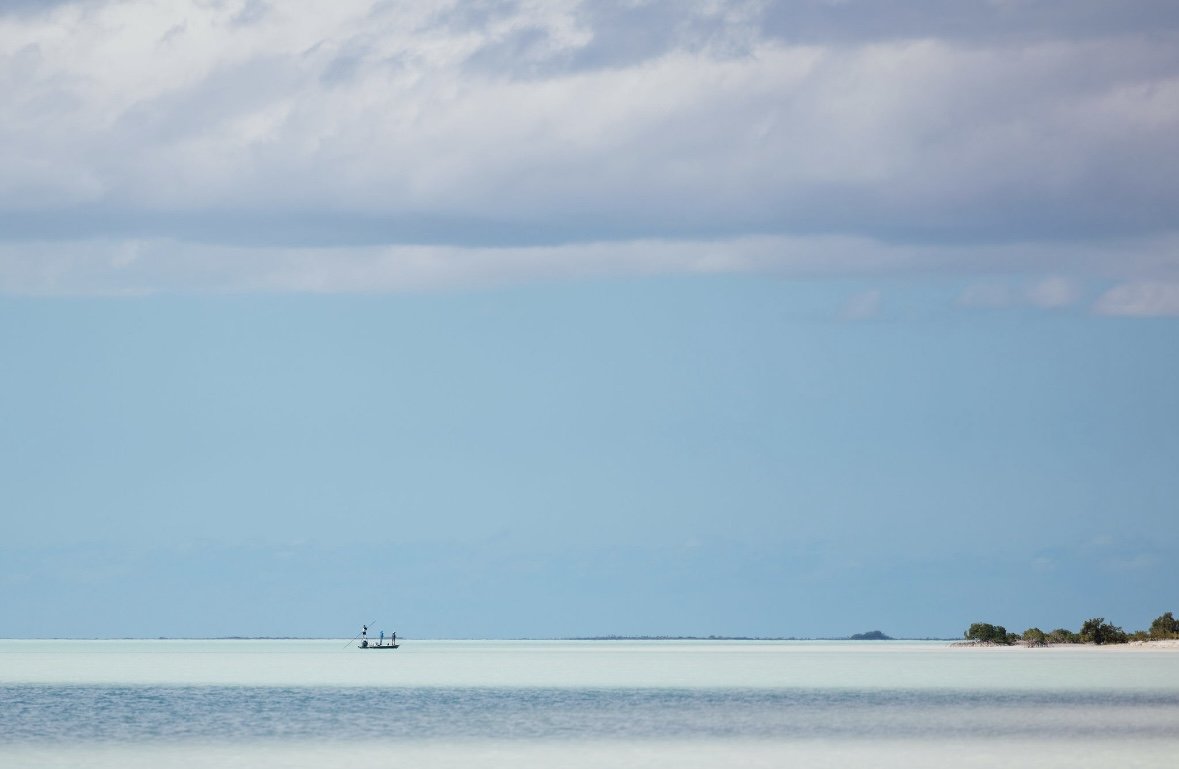
The unique geology of this dynamic fishery creates an unparalleled Bonefish sanctuary you won’t want to leave!
-
This location offers world-class fly fishing for a variety of species.
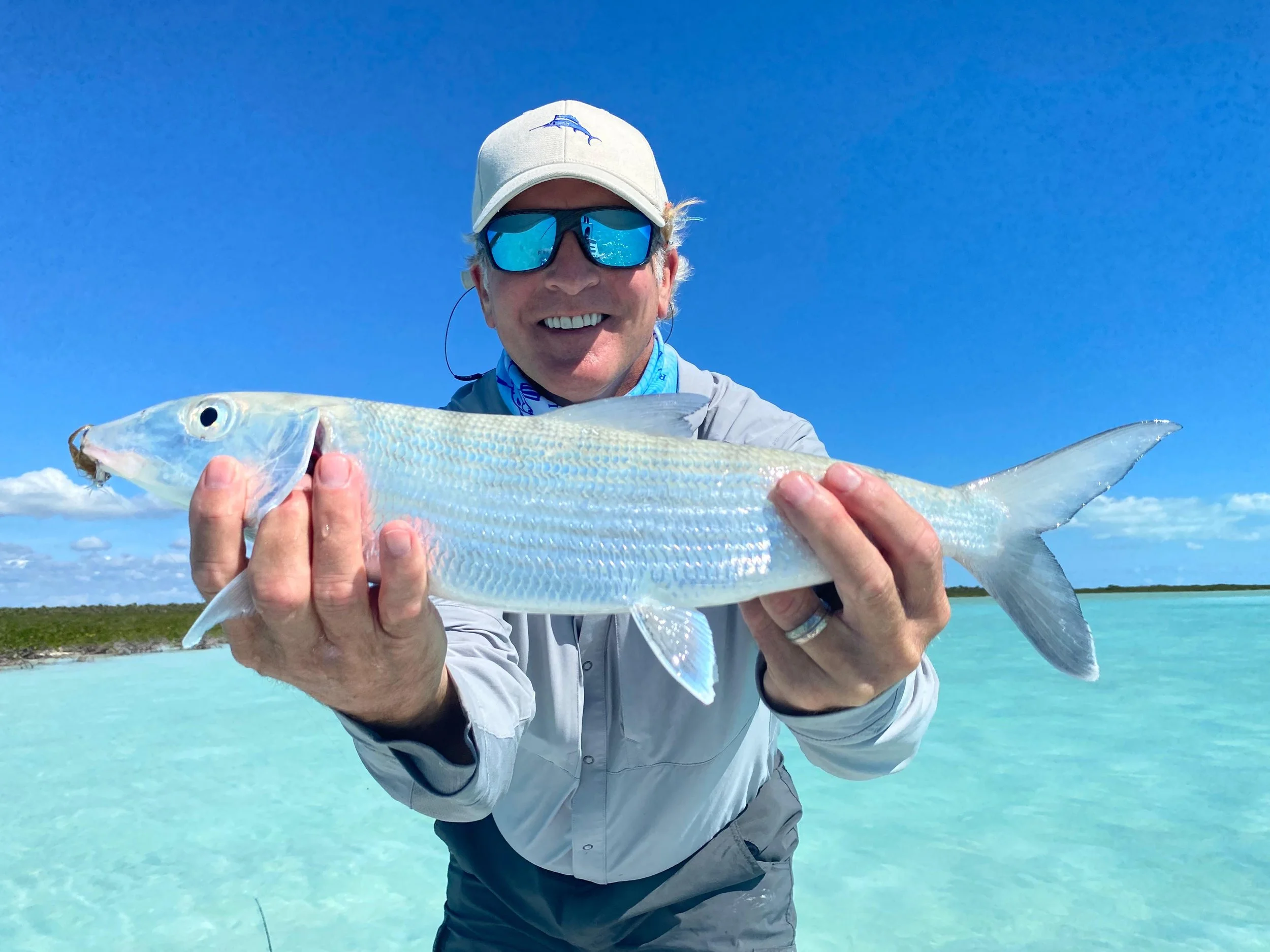
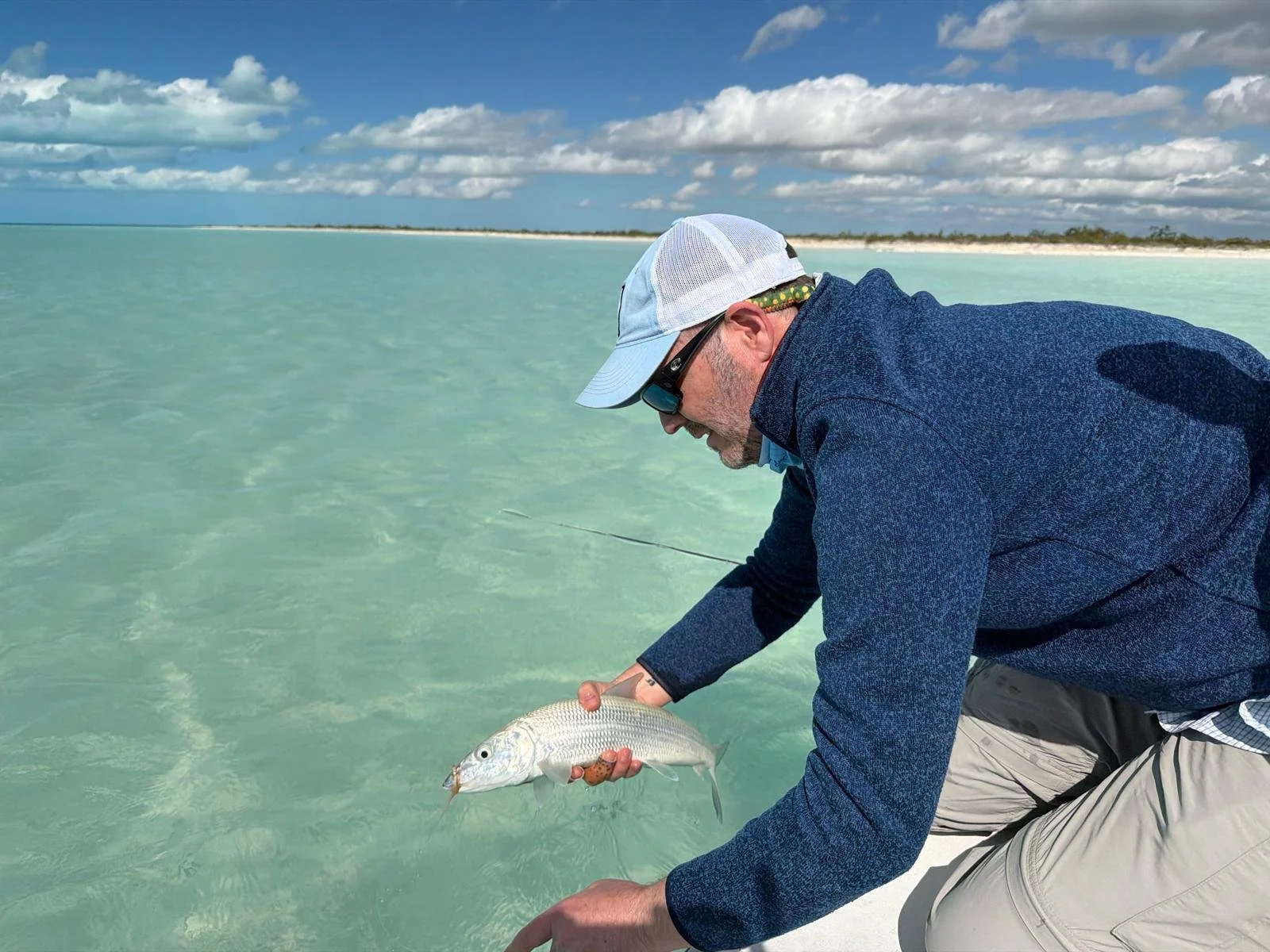
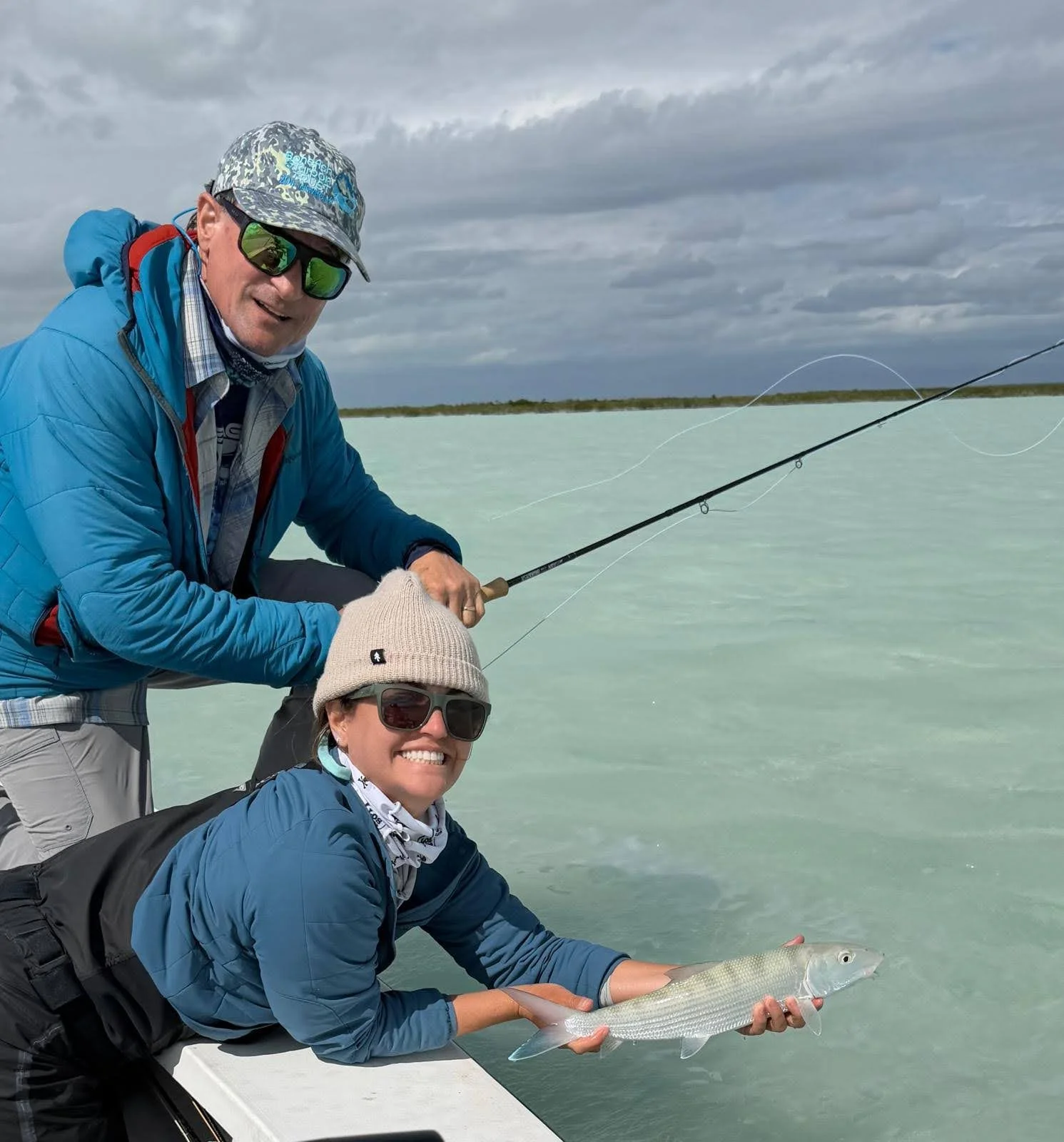
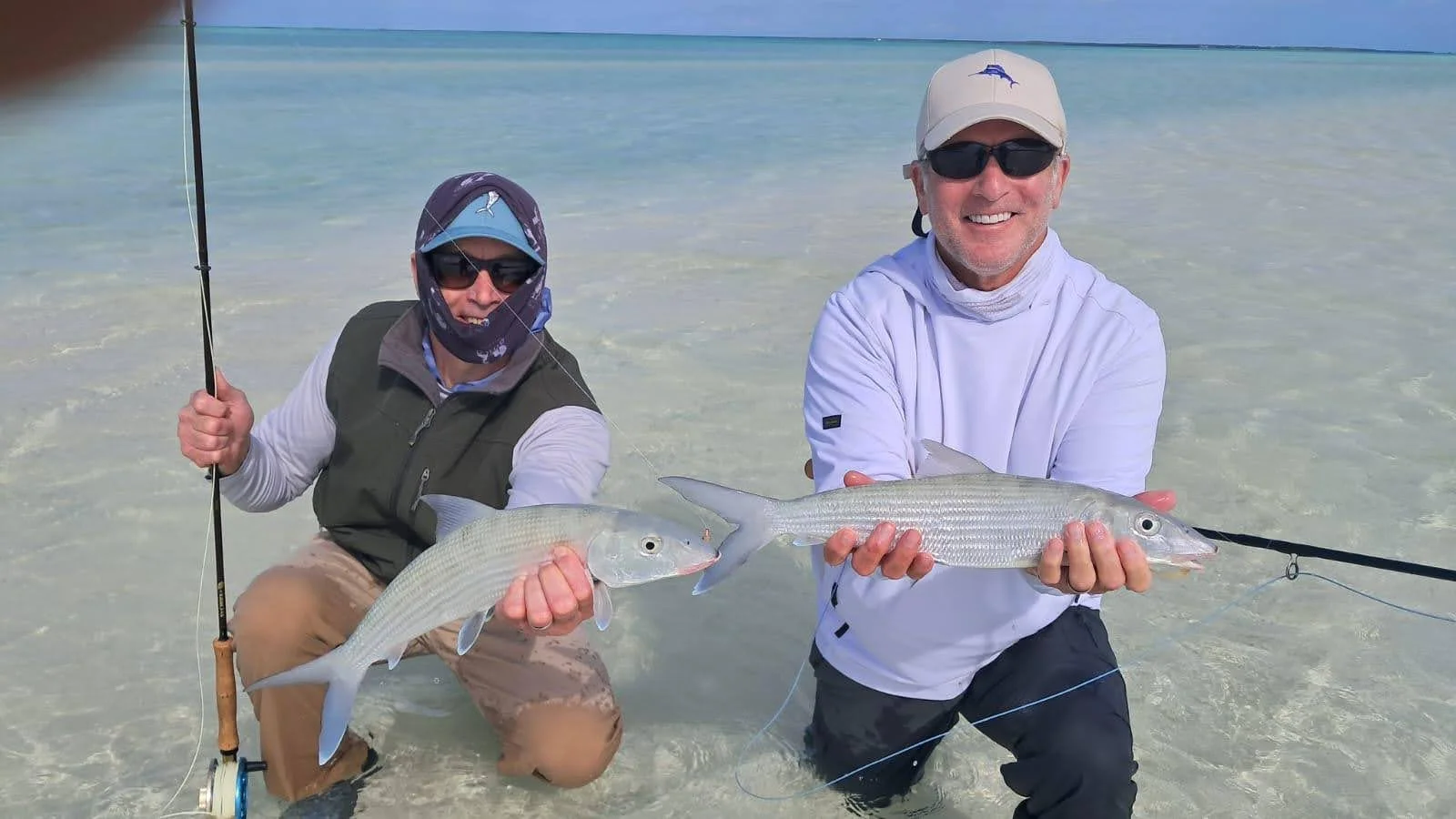
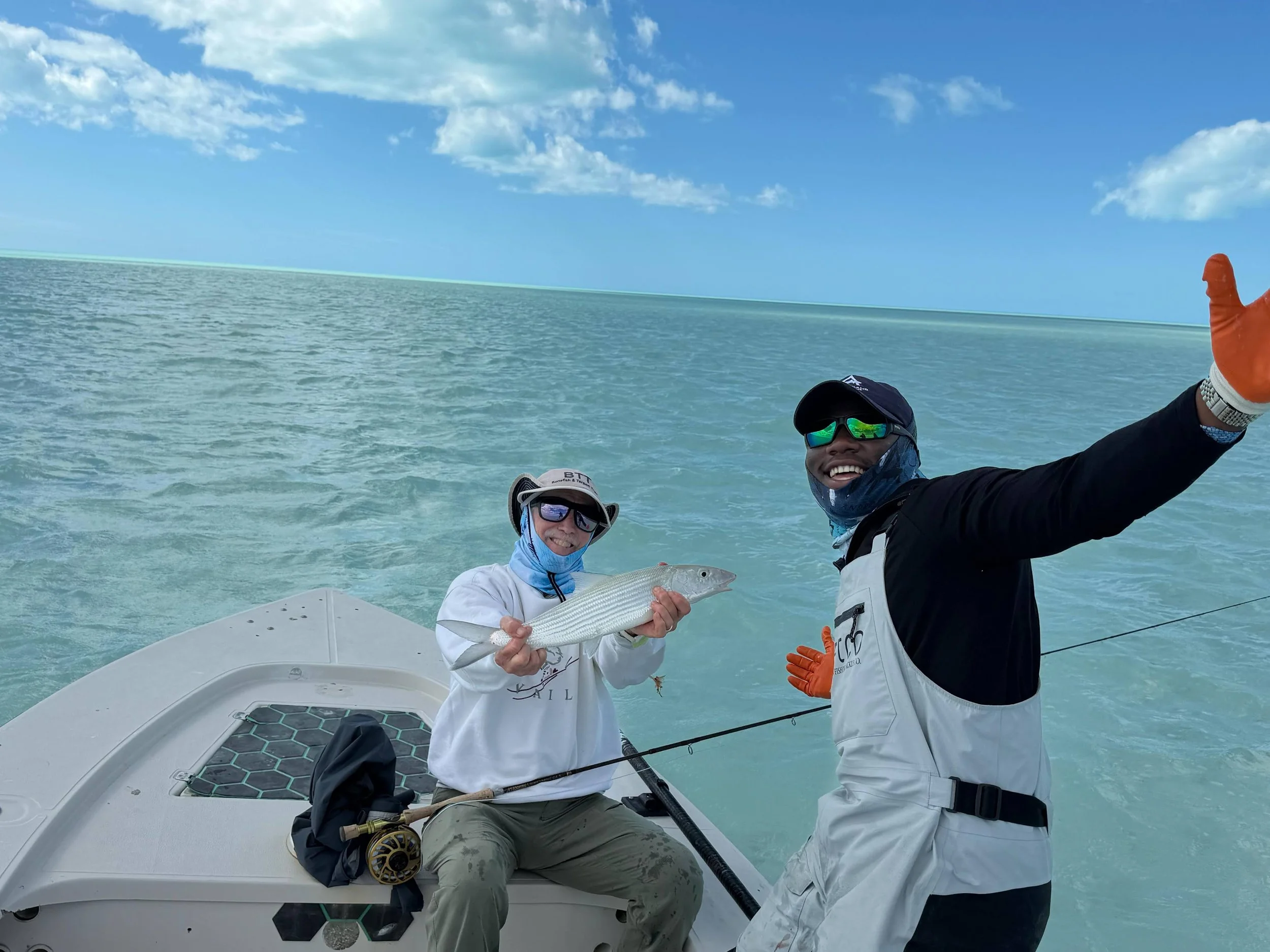
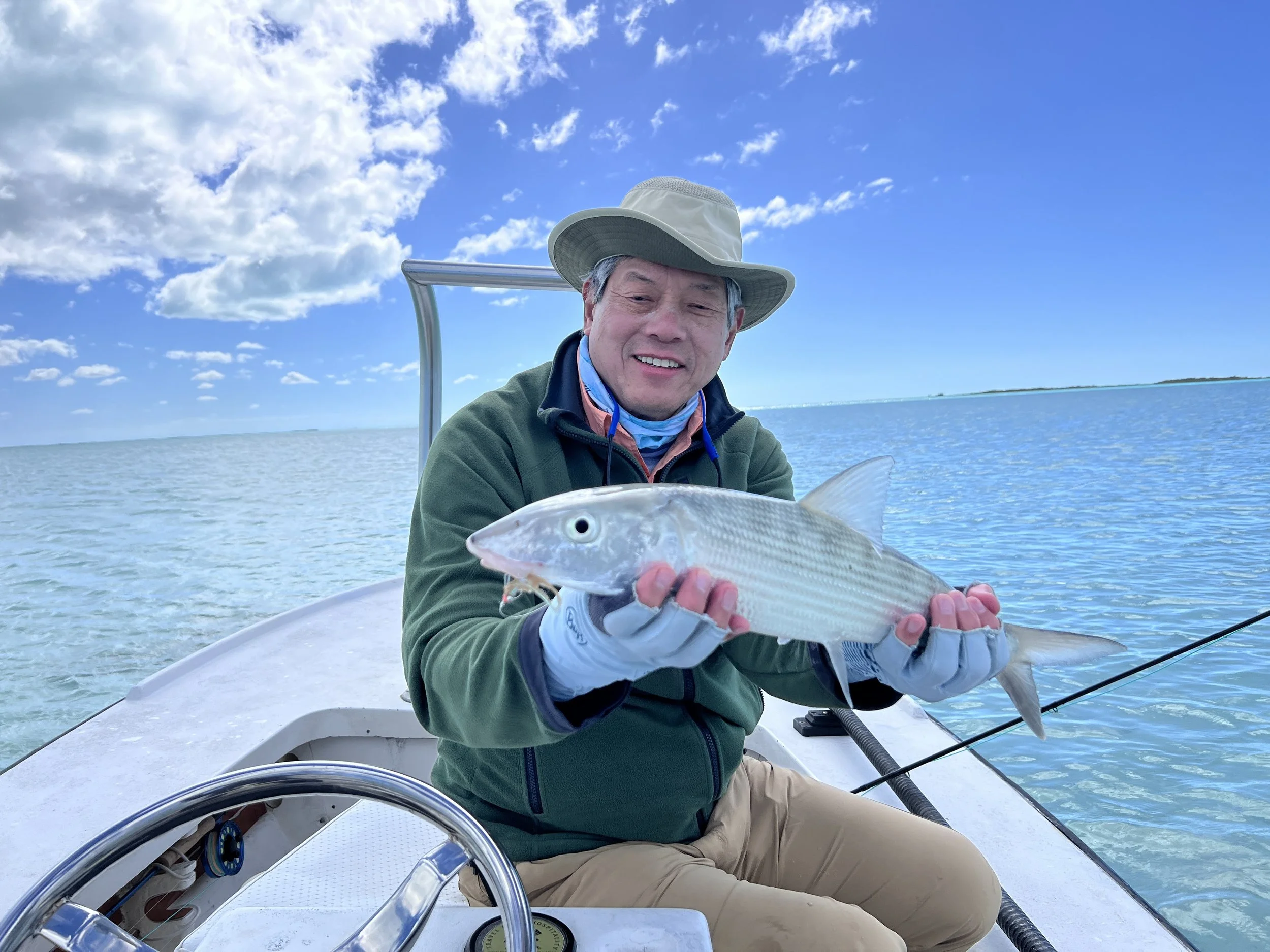
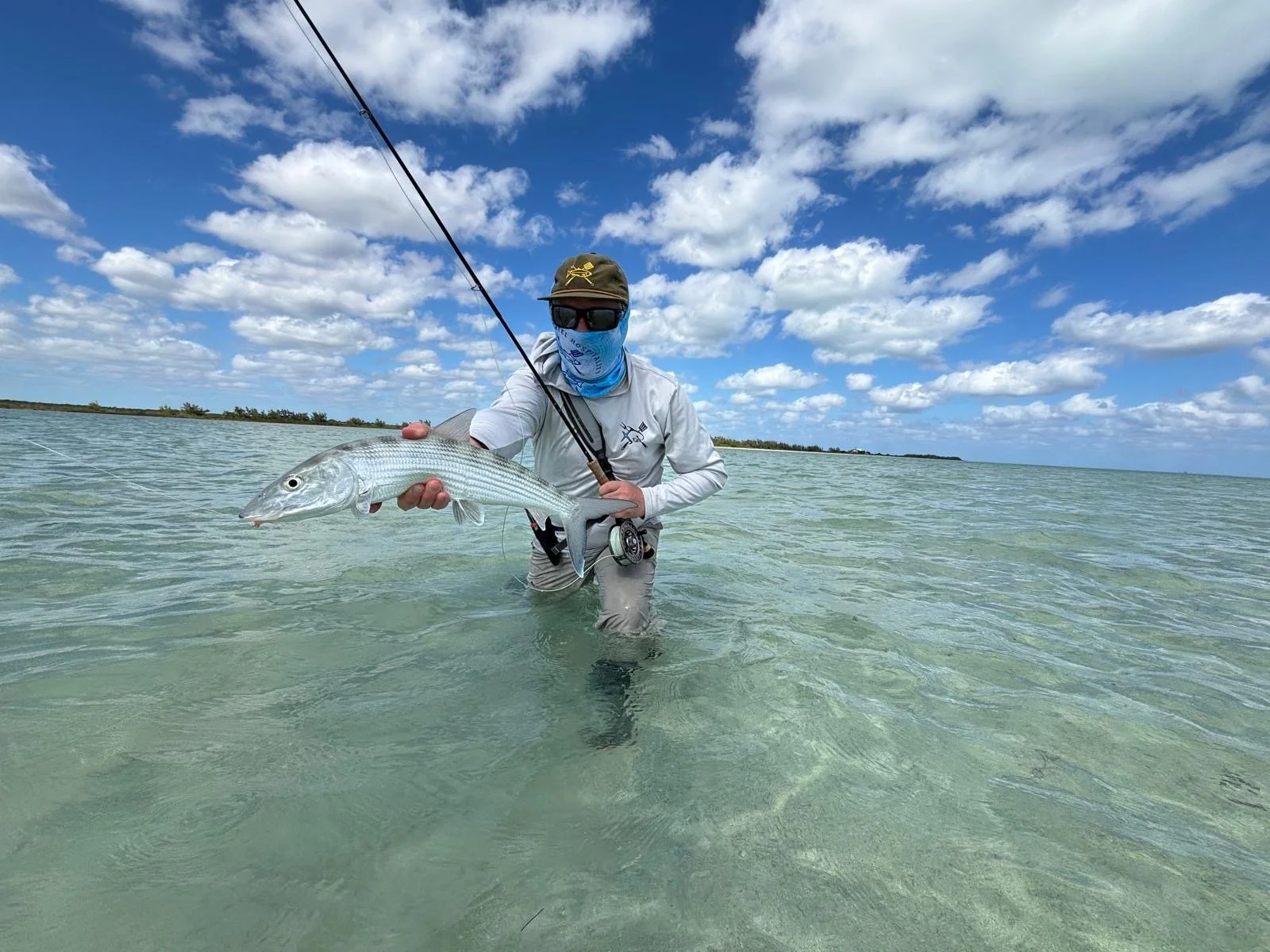
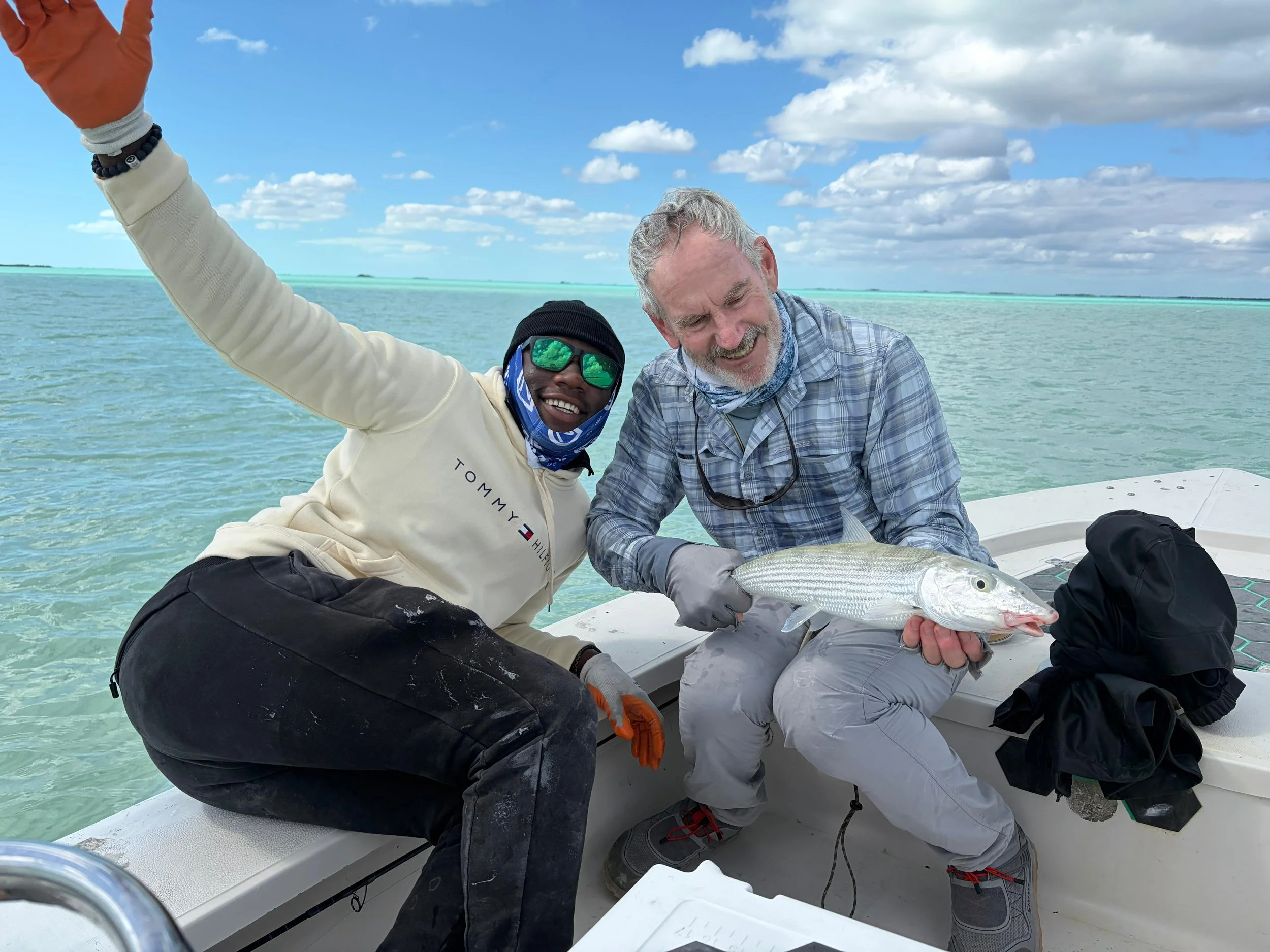
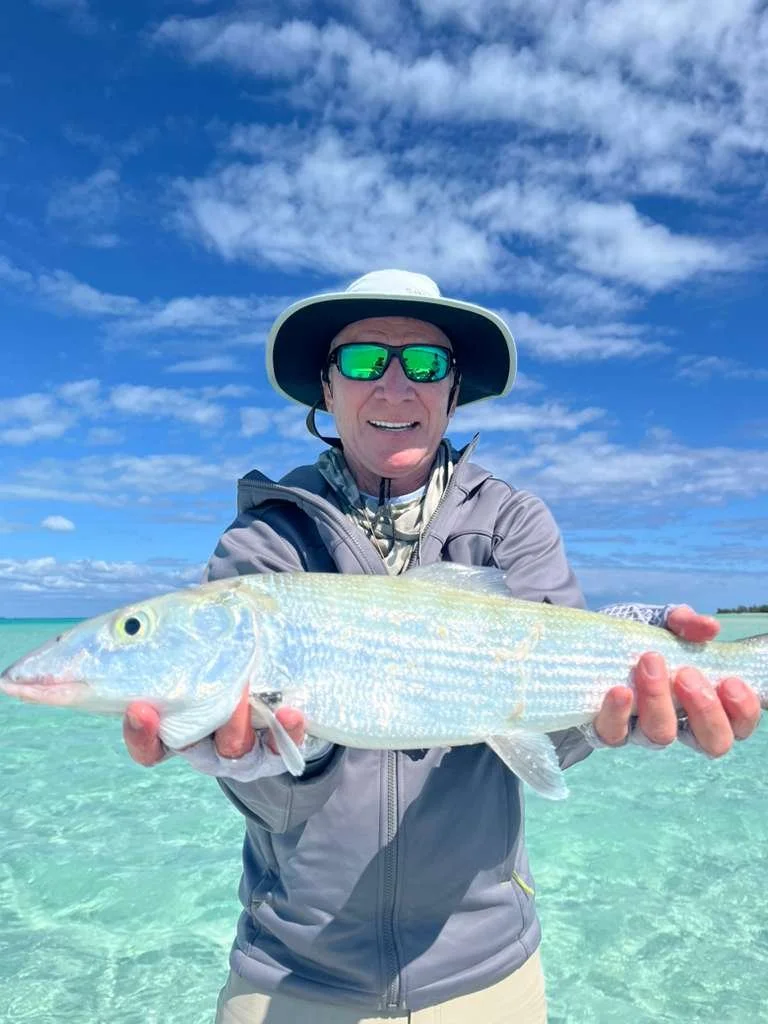
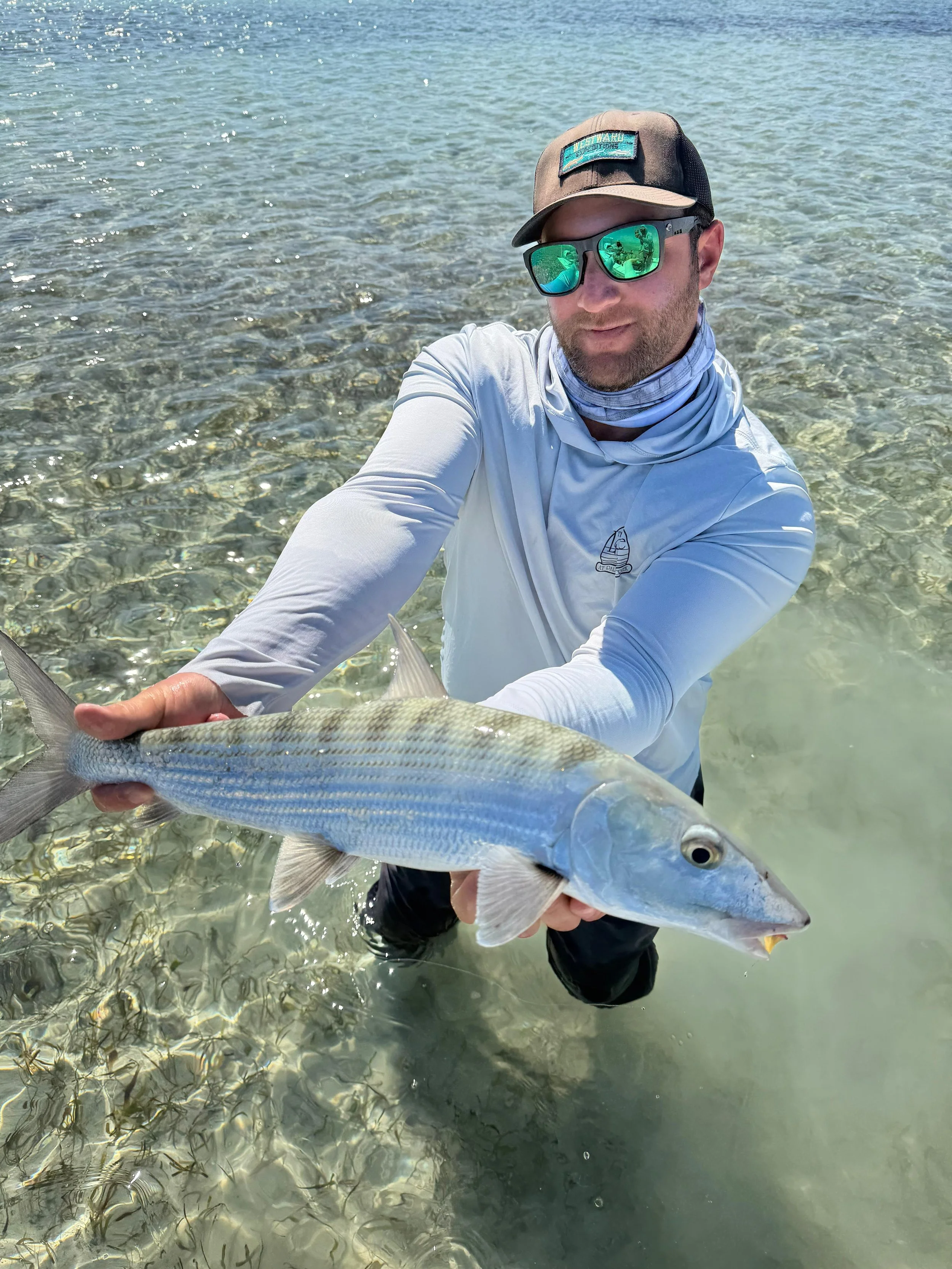
BONEFISH: Our primary target, since they gather here in large numbers. Our window is prime for double-digit (10+ pounds) Bones, fleeing for warmer water since, as the weather cools, the water in the ocean does, too!
(Our target species needs more space. Check out the next section below “TARGETING BONEFISH”)
OTHER KEY SPECIES WE TARGET:
BARRACUDA: Nicknamed “The Tiger of the Sea” for a reason. . . . This species is an AMBUSH PREDATOR that aggressively feeds on smaller fish. They use their long, slender, torpedo-like bodies to blast into super-speed attacks, and razor sharp teeth to annihilate their prey (or your fly). If the Bonefish bite has slowed,
Targeting this species requires special gear, to protect your rig from that impressive set of teeth.
Even Disney sees this species as a formidable opponent - tapping this species as the one to eat Nemo’s mom, Coral.
While the average Barracuda found around Andros is 3-4 feet long and weighs 5-20 pounds, anglers can find plenty of trophy size “LOGS” that exceed 30-40+ pounds and 50+ inches, often found down deep along the barrier reefs and drop-offs.
PERMIT: For starters, this species is nicknamed “The Black-Tailed Devil.”On the rare perfect day, some very patient anglers may opt to tip their guide at the start of their fishing day and request that they target this species. Most Andros guides are used to getting anglers on vast numbers of Big Bones, this species is much more of a gamble.
If there’s a chance anywhere around Central Andros, it will be in the deep, hard-bottom flats of the North Bight, adjacent to the flats near Behring Point, or along the edges of the West Side (as permit make their way into the marl flats and drop-offs to feed.
You’re not going to encounter large, tailing schools but if an incoming tide pushes onto the flats during a perfectly calm, bright, sunny day - it may be worth a shot for some anglers.
If an accurate, 50-foot double haul cast with natural fly presentation isn’t on your list, then we’d skip this species at this location. Want to target Permit? Contact us!
It’s not all skill, though. Permit have the pull of a Jack Crevalle, aerial acrobatics that rival tarpon, and are as difficult to see as a Bonefish. With a 5-7% success rate, sometimes, it’s just comes down to luck!
Considered to be the holy grail of species to HUNT (more than fish) on a fly rod.
TARPON: Nicknamed the “Silver King”, anglers will find resident fish (30-80 pounds), holed up deep within the North, Middle and South bight’s intricate system of mangroves, but may find some of the larger, migratory fish. When cold fronts move in, they’ll dive into the deeper channels and conserve energy by being pretty lethargic. However, you’ll find them rolling or laying up in the creeks.
Without a doubt, one of the most challenging species to fight on a fly rod.
Their wild jumps and strong pull will put your gear and your strength, to the test!
-
Bonefish are an
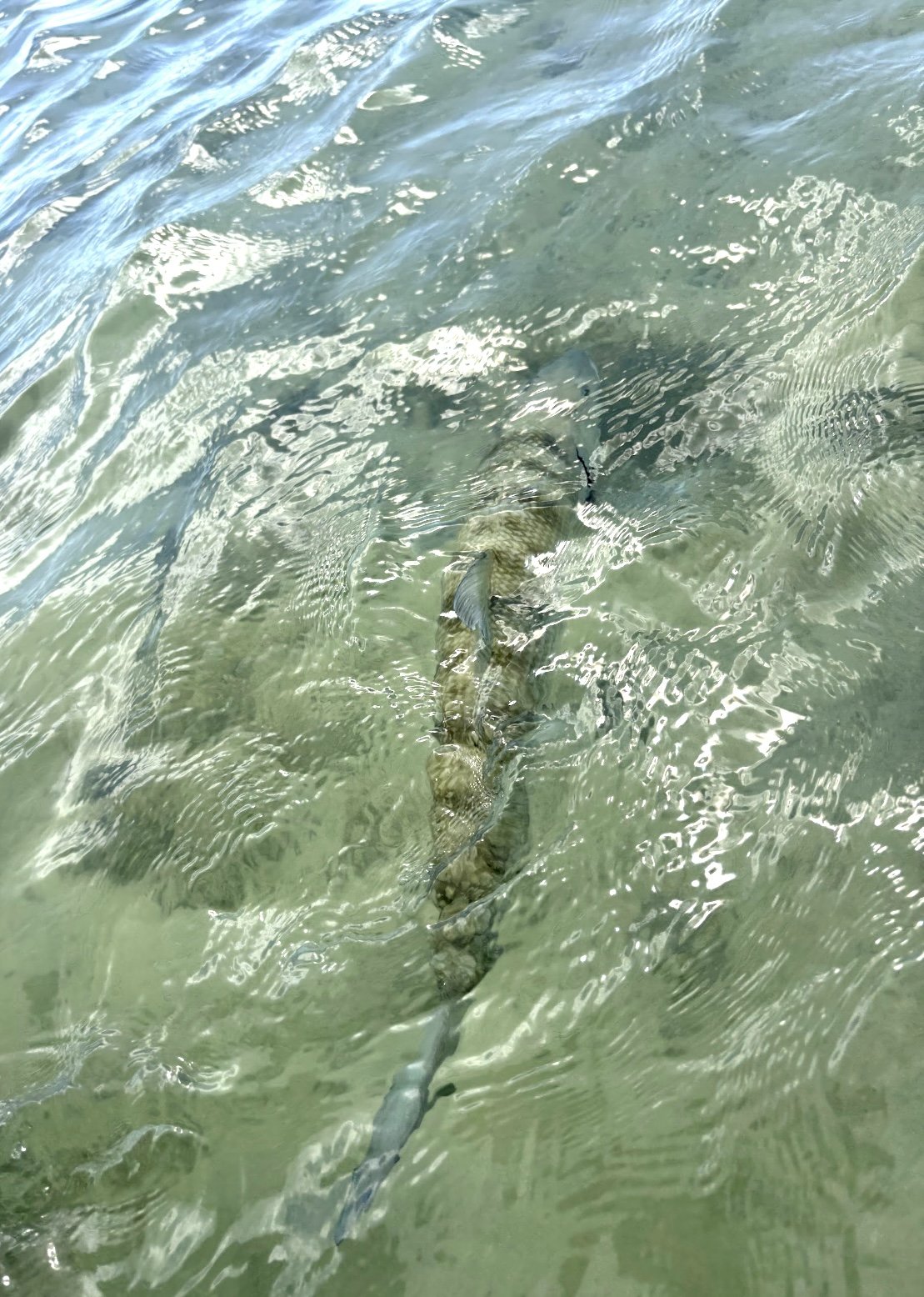
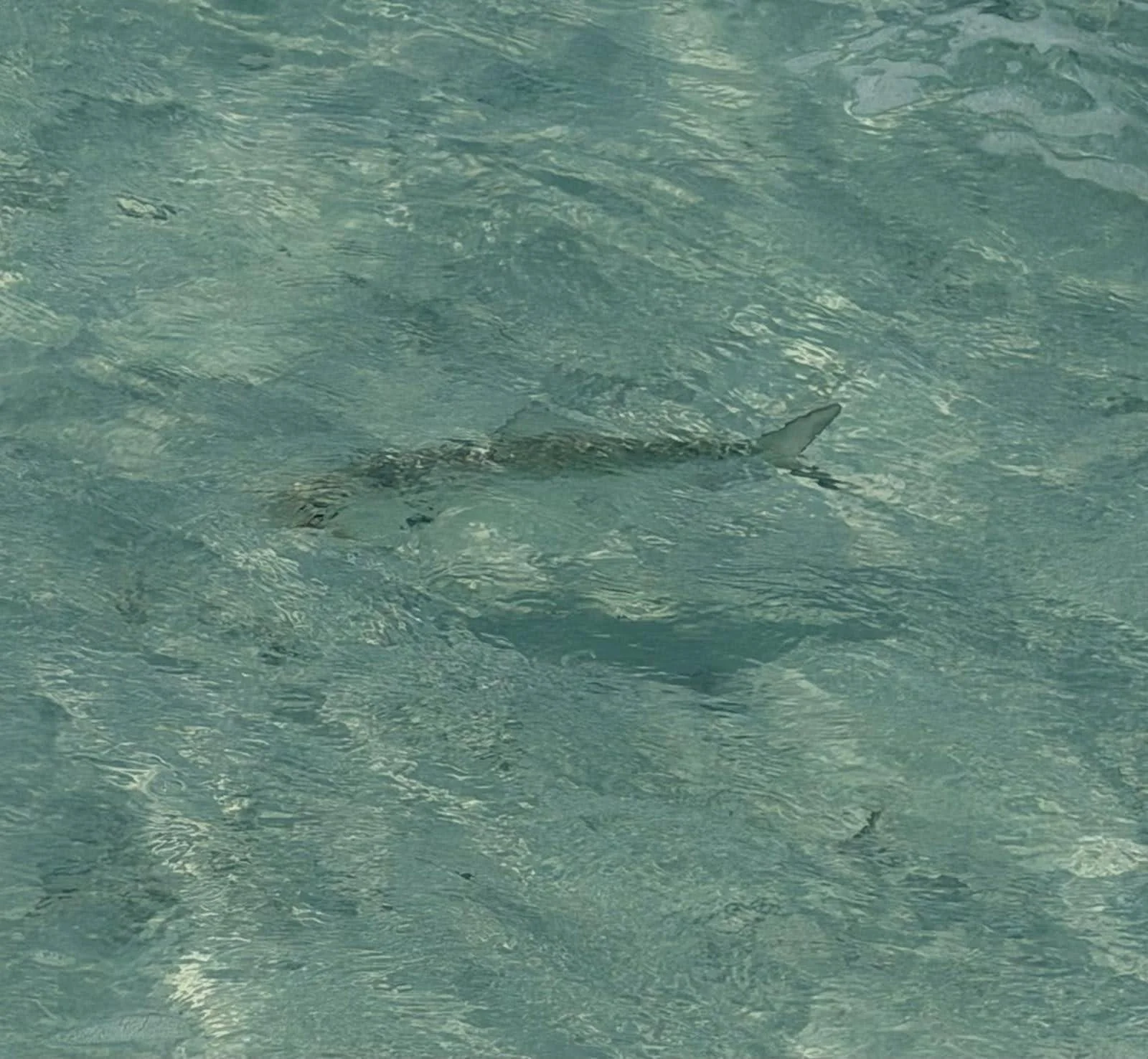
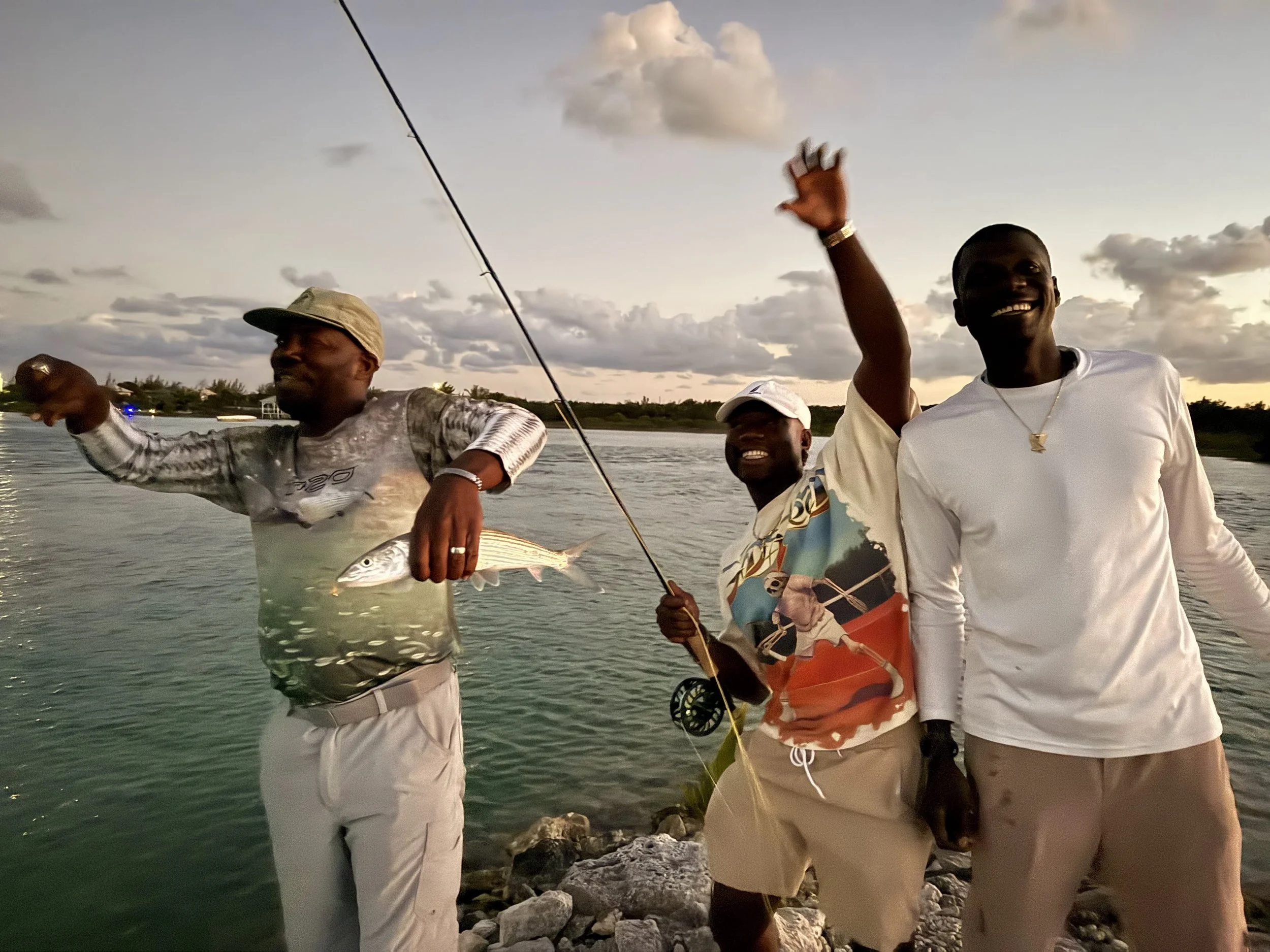
Called the “Grey Ghost of the Flats”, they are practically invisible to the untrained eye as they glide along the white sand.
An elusive species with incredible speed and strong takes. Hook one, and hold on!
-
The combination of ideal water temperatures, tropical weather, and the unique geographical formation make Central Andros the prime location to target vast numbers of Bonefish.
Our annual visit coincides with the changing seasons. When the weather back home becomes less conducive to shorts and T-shirts (with or without the sleeves cut off), anglers can escape to paradise with us!
You’ll see a lot more double-digit Big Bones during this window. While this species can handle a range of water temps, the smaller “schoolies” aren’t as adept at maintaining when the water is coldest. Temperature directly impacts a fish’s metabolism, which slows when they’re cold. Juveniles are more susceptible to succumb to cold fronts. They’ll slow their feeding when cold, and their activity level, further limiting their metabolic functions.
Deeper water acts as a thermal blanket for these younger, smaller fish, leaving the bigger, older fish to roam the cooling flats as their food sources remain.
Bigger Bones are better at regulating their body temps for longer periods.
You’ll especially see “Big Bones” move onto the flats during the “Bluebird Cold Front”, as the period immediately following the peak period of cold can rapidly increase the water temp on the shallow flats. They’ll hole up in these warm pockets to recharge their metabolism, hungry and ready to eat your fly!
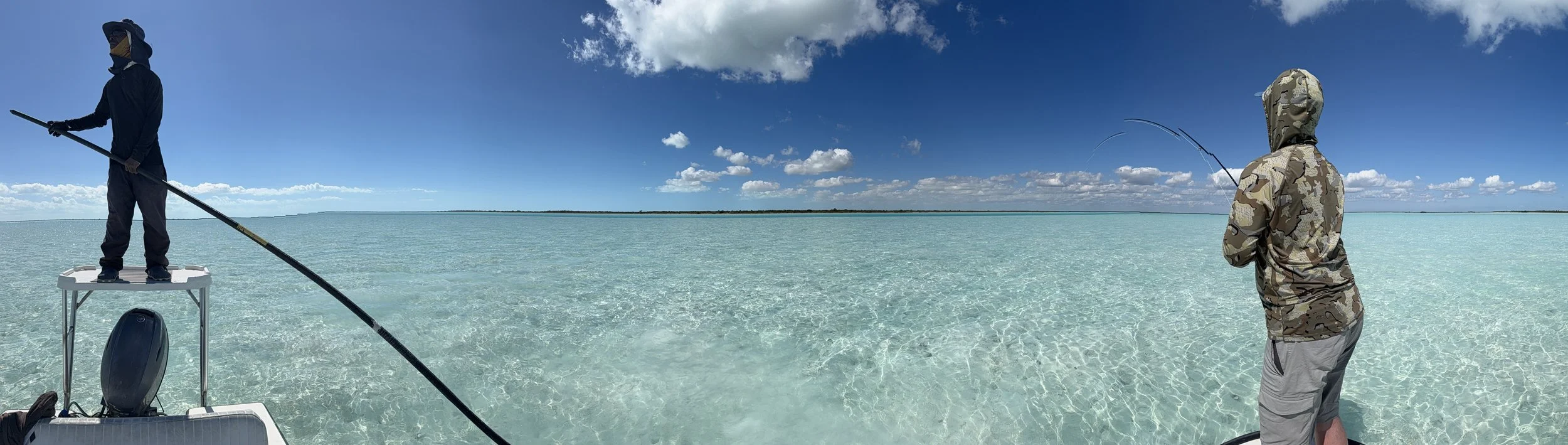
Our window also brings low-angle sun that makes spotting cruising fish MUCH easier - though you’ll still rely heavily on your guide’s trained eye to spot them. Your guide will be able to spot fish long before you do.
The dropping temps bring some days with stronger north-northeast winds. Practice your cast before you get to Andros!
You’ll need to:
BE ACCURATE: Your guide will spot a fish, point, and tell you to cast. If you aren’t sure, ask distance and direction, and do your best to aim!
BE QUICK: Like any dynamic fishery, opportunities won’t last. Anglers who reset quickly and are at the ready will be much more successful.
ADAPT: Making sure to account for the current conditions and a willingness to change up your process or plan is essential to a successful Andros trip.
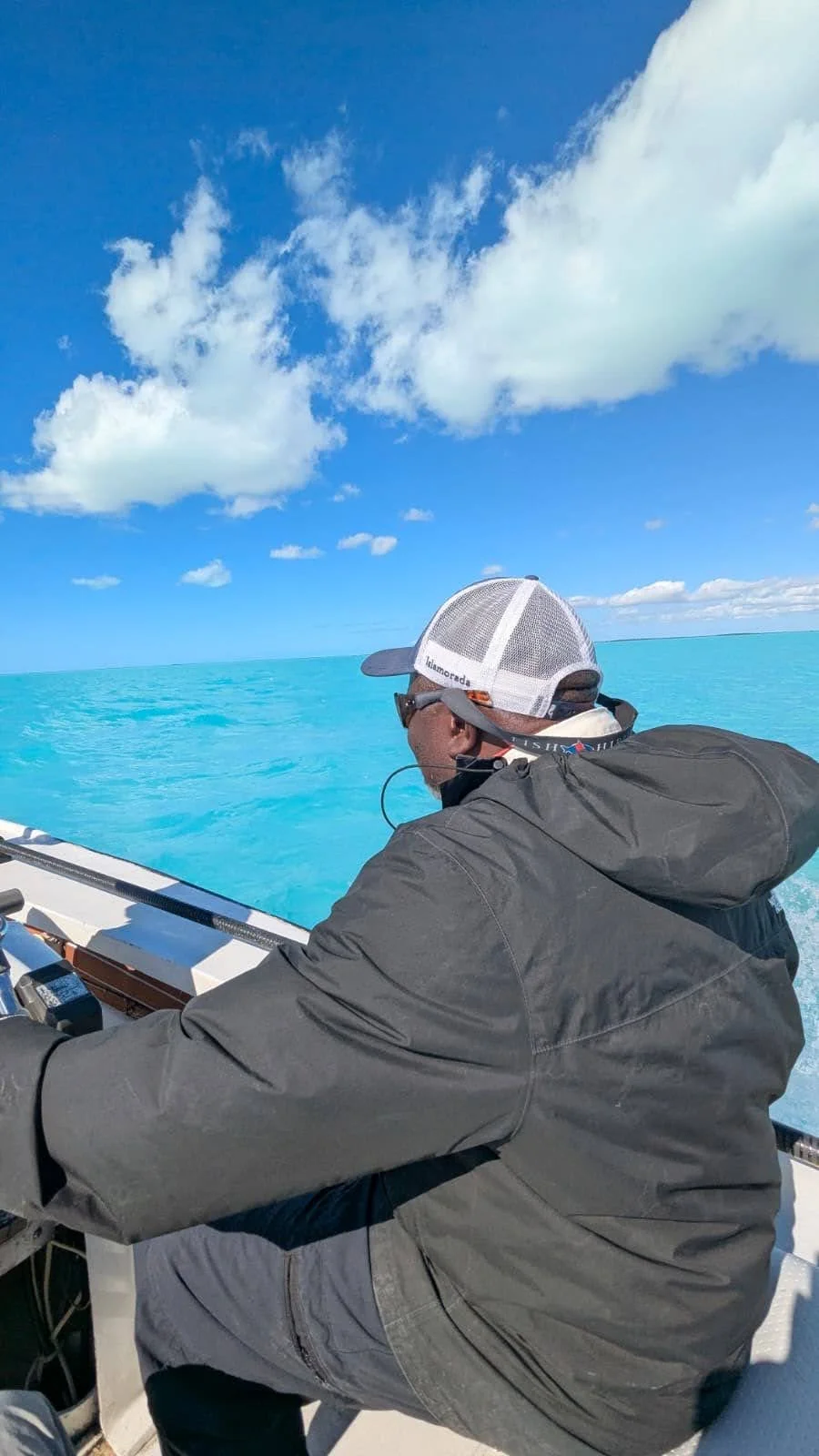
TRUST YOUR GUIDE: We’ve spent YEARS gathering the best guide crew on the island of Andros.
Your guide will be able to spot fish long before you do. They’re eyes are trained to catch the
Best of all, Central Andros offers anglers a variety of other species to target, if the Bonefish bite has slowed. The island’s bights, extensive system of creeks and mangrove boundaries provide shelter for the various species fleeing cooling water. The possibilities are endless, come see for yourself!
For more details, check out our ANDROS BROCHURE.
Visit our TRIP CALENDAR for program dates and availability.
WE PROVIDE EVERY ANGLER WITH
full
travel
coordination
planning &
booking
support
All meals
Prepared on-site by your
Creel
chef
Crew
experience unrivaled hospitality.
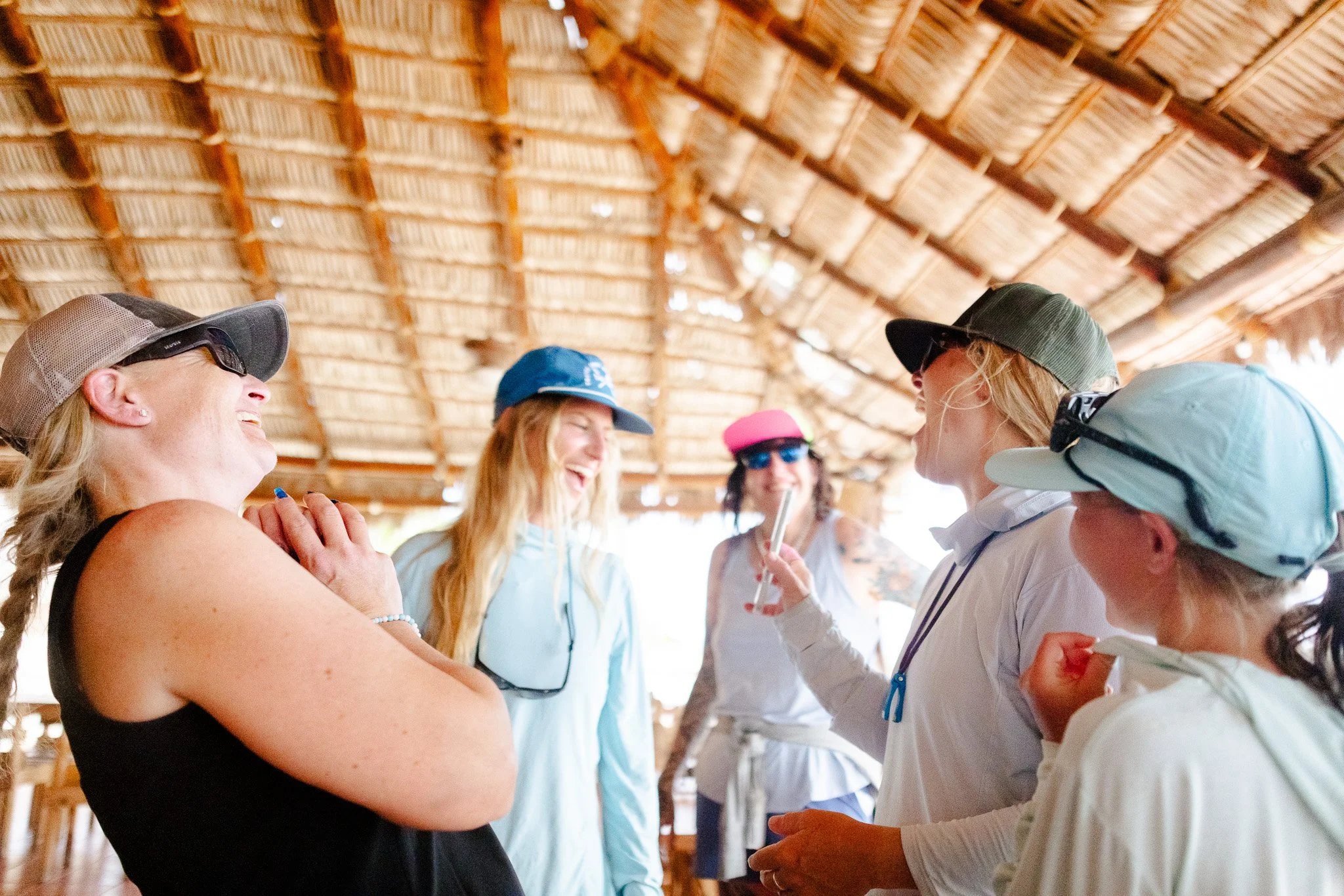
-Local partners who love what they do.
-Premiere fly fishing destinations during prime fishing windows.